



Agricultural buildings are often treated as purely functional. A shed is a shed, a barn is a barn, and if it keeps the rain off, that’s job done. But anyone who spends time in the countryside knows these structures shape the look and feel of whole areas. Long, low roofs sit on ridgelines, catch shifting light and, for better or worse, become part of the view for decades.
That matters because rural building design is often discussed only in terms of planning disputes or practical cost. Far less attention goes to the quiet decisions that affect durability, maintenance and appearance over time. The finish of a roof, for instance, can affect how a building weathers, how much it stands out from a lane or footpath, and how often repairs are needed.
For farmers, landowners and smallholders trying to balance budget and longevity, details like roof sheeting are part of a bigger conversation about getting utility buildings right. It is not just a technical choice for contractors. It also affects noise in heavy rain, visual consistency with older outbuildings, and the practical business of maintaining structures that are in constant use through every season.
Small choices, long consequences
Good agricultural design is rarely flashy. More often, it comes down to a few sensible considerations:
- how a building sits in the surrounding landscape,
- whether materials age well instead of merely looking new on day one,
- and how easy it will be to repair after years of wind, mud and hard use.
In that sense, rural architecture deserves the same thought we give to houses, village halls or shopfronts. These are working buildings, yes, but they are also visible, lasting parts of the places people live. Treating them as an afterthought rarely brings the best results.
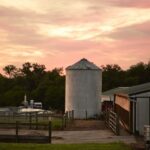
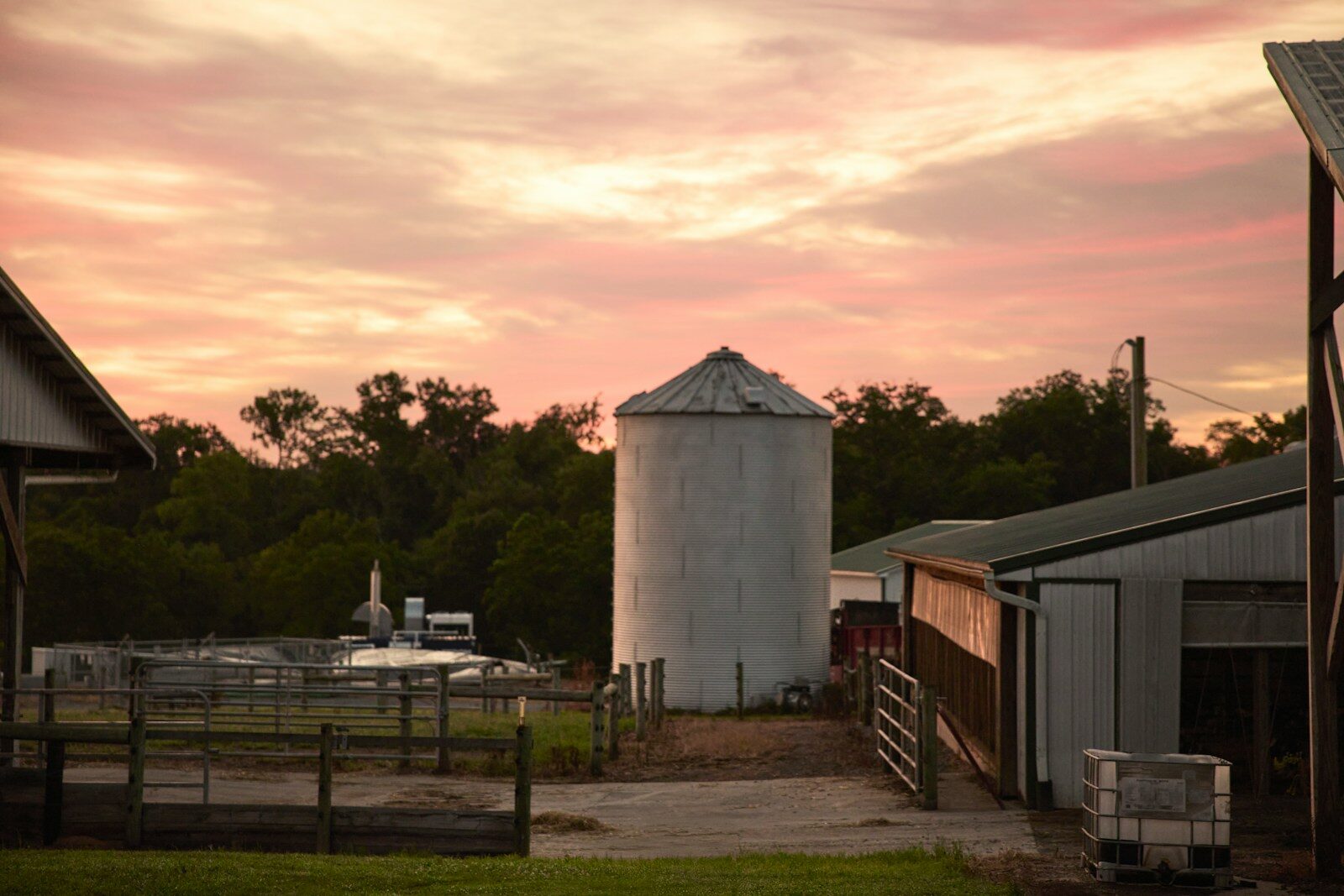
Photo by Portraits of Modern Dairy.