



It can be tempting to tackle a plumbing problem yourself. A dripping tap, a slow-draining sink or a leaking pipe might seem like a straightforward fix, particularly with so many online tutorials promising quick and easy solutions. While there are plenty of minor household jobs that homeowners can manage, plumbing repairs can sometimes be more complicated than they first appear.
Understanding the potential pitfalls of DIY plumbing can help you avoid unnecessary expense, protect your property and recognise when it’s time to call in a professional.
Small Leaks Can Become Big Problems
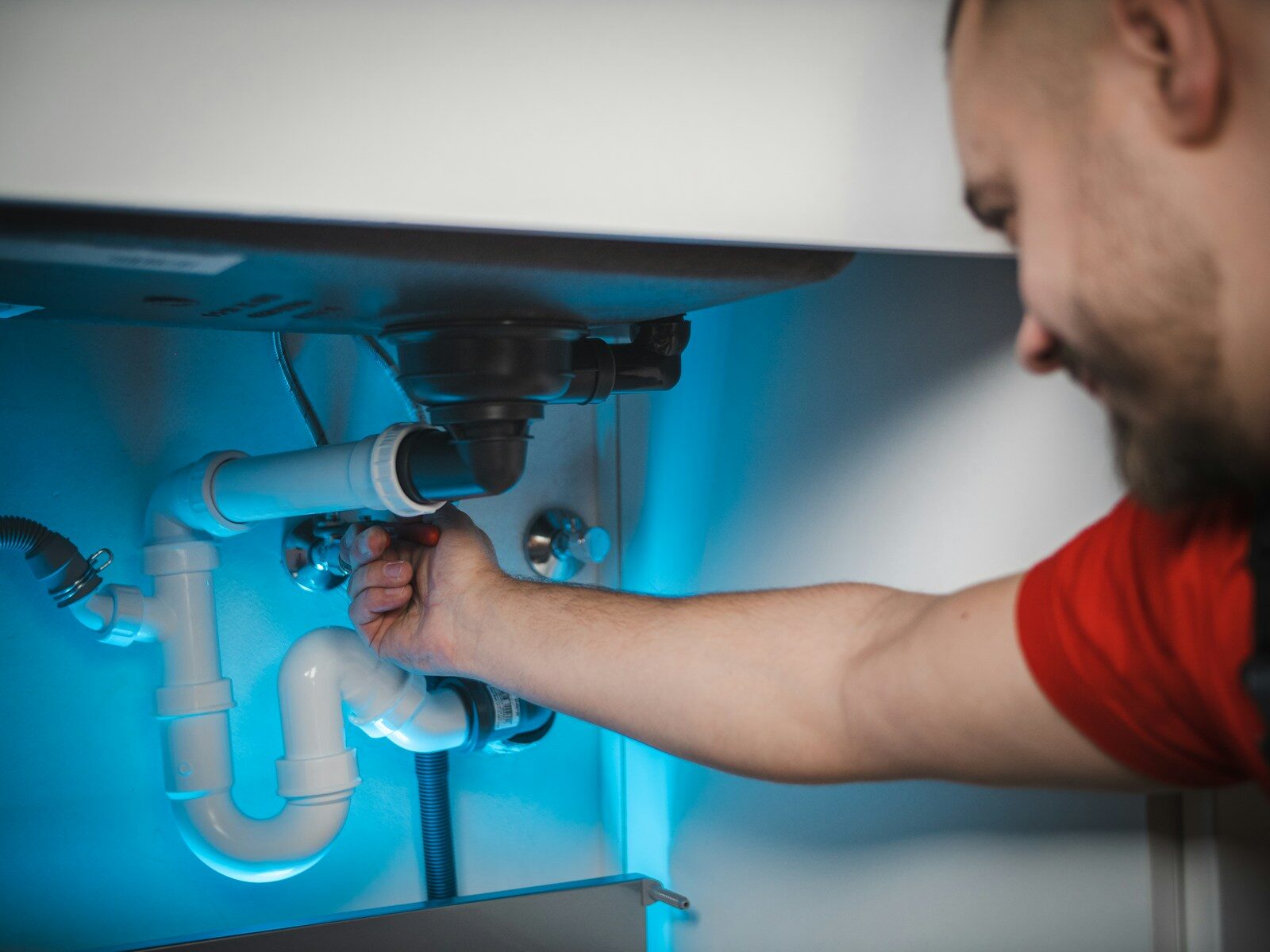
One of the biggest risks of attempting plumbing repairs without the right experience is underestimating the damage a small leak can cause. A loose connection or poorly fitted replacement part might appear to solve the problem temporarily, only for water to begin escaping again once the system is back in regular use.
Even a slow leak can damage cupboards, flooring, plasterwork and other building materials. If water reaches hidden areas, it can also encourage mould growth and create a much more expensive repair job.
A professional plumber can identify the underlying cause of the leak rather than simply treating the visible symptoms, helping to prevent the same issue from returning.
Using the Wrong Tools or Materials
Plumbing systems rely on suitable fittings, seals and connections to operate safely and effectively. Using an incorrect component or applying too much force when tightening a fitting can damage threads, crack plastic components or compromise a watertight seal.
Household tools may also be unsuitable for certain jobs, increasing the likelihood of damaging fixtures or pipes. Older plumbing systems can be particularly delicate, especially where corrosion has weakened existing connections.
Although buying the correct materials might seem like a simple matter, knowing which components are compatible with your existing system is equally important.
The Risk of Making the Problem Worse
A blocked drain, faulty valve or leaking pipe can sometimes indicate a deeper issue. Attempting to fix the problem without understanding its cause may make the situation worse or delay the repairs that are actually needed.
Chemical drain cleaners, for example, can damage some pipe materials and may create additional hazards if used incorrectly. Repeatedly trying to clear a stubborn blockage without identifying its source can also waste time and money.
There are other jobs that require particular care, including work involving hot-water cylinders, boilers and pressurised systems. Gas-related work must be carried out by a suitably qualified Gas Safe registered engineer, while certain plumbing alterations may also need to comply with building regulations.
DIY Repairs Could Cost More in the Long Run
Saving money is often the main reason people attempt plumbing repairs themselves. However, the initial cost of a professional call-out can be considerably less than the expense of putting a failed repair right.
If an incorrectly fitted pipe causes water damage, the final bill could include replacement flooring, damaged kitchen units, plastering and redecorating, as well as the plumbing work itself. Insurance cover may also depend on the circumstances and the terms of your policy.
Getting professional advice early can help you understand the likely cost of a repair and avoid spending money on unsuitable parts or repeated attempts to resolve the issue.
Knowing Which Jobs You Can Tackle
Not every plumbing task requires a professional. Straightforward maintenance, such as cleaning a plughole, replacing a shower hose or changing a tap washer where the design allows, may be manageable for a confident homeowner who follows the manufacturer’s instructions.
The important thing is to recognise your limits. If a repair involves concealed pipework, persistent leaks, major alterations or uncertainty about how to isolate the water supply, professional help is usually the safer option.
Before starting any work, make sure you understand how to turn off the relevant water supply and what to do if something goes wrong. Never proceed if you are unsure about the risks involved.
When Is It Time to Call a Plumber?
Persistent leaks, low water pressure, recurring blockages and unexplained damp patches are all reasons to seek professional advice. If a pipe bursts or water is escaping rapidly, turn off the water supply if it is safe to do so and arrange urgent assistance.
A qualified plumber has the tools and experience to diagnose faults, carry out repairs properly and identify potential problems before they escalate.
DIY plumbing can be useful for simple maintenance, but knowing when to leave a job to an expert is just as important as knowing how to use a spanner. A sensible approach can protect your home, save money over time and provide greater peace of mind.
Photo by Timur Shakerzianov.