

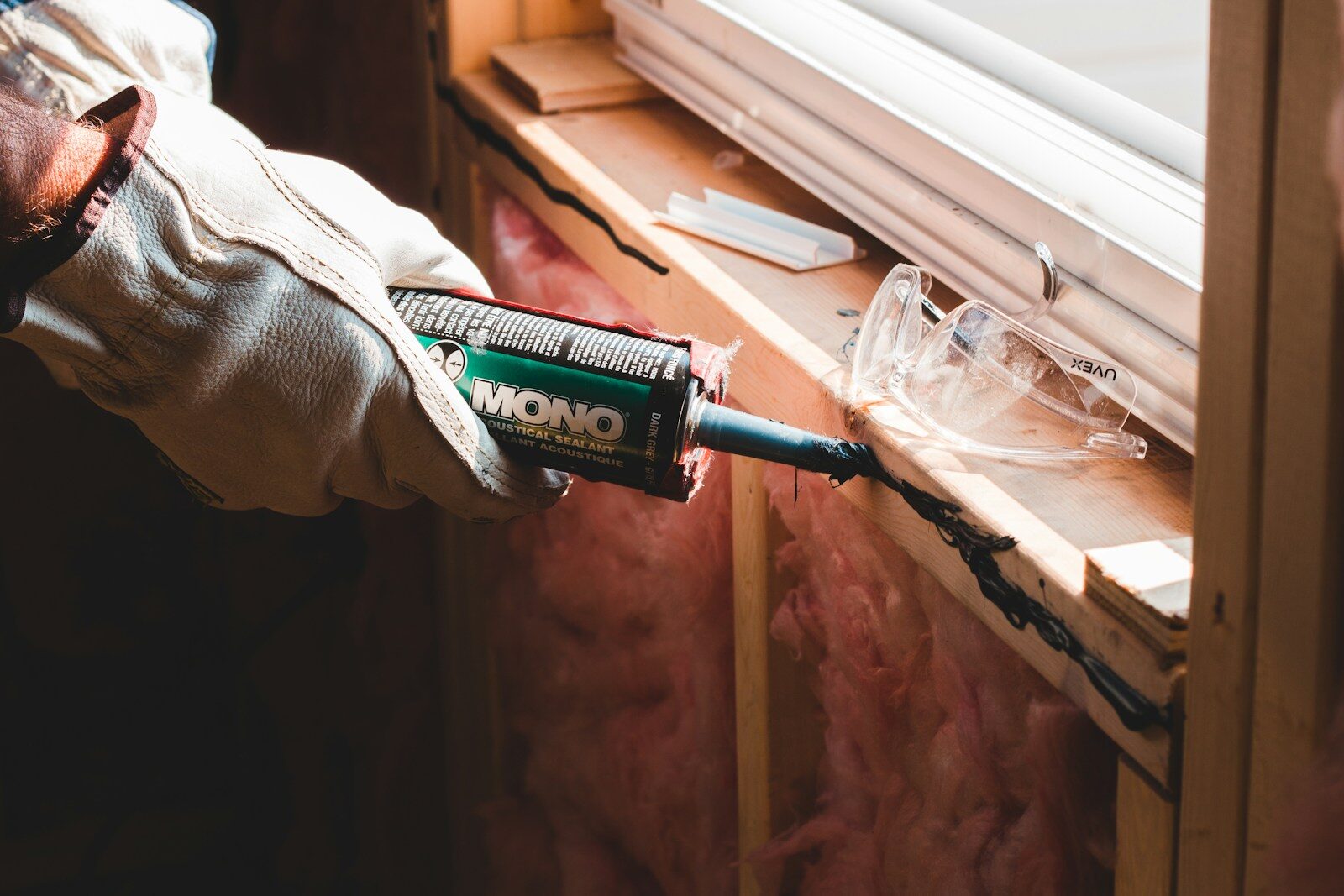
Wooden windows bring character, warmth and timeless appeal to a property. Whether they are original sash windows in a period home or traditional timber casement frames, they can enhance the appearance of a building while providing years of reliable service. However, exposure to rain, wind, sunlight and changing temperatures will eventually take its toll.
When your windows begin to show signs of wear, the big question is whether to repair the existing frames or invest in replacements. The right choice depends on their condition, the cost of the work required and the performance you want from your windows.
Assessing the Condition of Your Wooden Windows
Before deciding what to do, take a close look at the overall condition of your windows. Peeling paint, minor cracks and draughts do not necessarily mean the frames have reached the end of their useful life.
Timber is a durable material, and many problems can be addressed through routine maintenance and targeted repairs. Damaged paintwork, for example, can often be removed and renewed to restore the protective barrier against moisture.
More serious warning signs include extensive rot, soft or crumbling timber, loose joints and frames that have become significantly distorted. These issues may indicate that the windows need more substantial attention.
It’s also worth checking for condensation, damaged seals, loose hardware and difficulty opening or closing the windows. Some of these problems can be resolved without replacing the entire frame.
When Repairing Wooden Windows Makes Sense
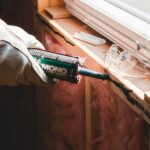
Repair is often the best option when the majority of the timber remains sound and the damage is limited to particular areas. A skilled tradesperson may be able to replace a small section of rotten wood, repair joints, renew putty or seals, and restore the finish.
This approach can be particularly attractive for older properties where original windows contribute to the building’s architectural character. Retaining existing timber may also reduce waste and avoid the expense of replacing frames that are still fundamentally sound.
Regular maintenance can extend the lifespan of wooden windows considerably. Keeping paintwork in good condition, clearing blocked drainage channels and dealing with minor defects promptly can help prevent moisture from penetrating the timber.
However, repairs need to address the cause of the problem, not simply cover up visible damage. Painting over rotten wood, for example, will not restore its strength or prevent deterioration from continuing underneath the surface.
Signs That Replacement May Be the Better Option
There comes a point when repeated repairs may no longer represent good value for money. If several frames have extensive rot, the timber has lost its structural integrity or the windows are badly warped, replacement could be the more practical long-term solution.
Poor performance is another consideration. Older windows may have worn seals, loose-fitting sashes or single glazing that offers limited insulation. Although some of these shortcomings can be improved through repairs and draught-proofing, others may be difficult or expensive to resolve fully.
If you regularly experience cold draughts, excessive outside noise or difficulty securing your windows, it is worth comparing the cost of restoration with the benefits of modern alternatives.
Replacement does not automatically mean choosing uPVC. New timber windows can preserve a traditional appearance while offering improved sealing, more consistent construction and the opportunity to incorporate modern glazing options.
Comparing the Costs
Cost is naturally an important factor, but the cheapest immediate option is not always the most economical over time.
Minor repairs and repainting are generally less expensive than replacing a complete window. However, if the frames need extensive timber replacement, new hardware, specialist restoration and repeated follow-up work, the total cost can approach that of new windows.
Ask for a detailed quotation that distinguishes between essential repairs and optional improvements. If replacement is being considered, compare like-for-like specifications, including glazing, installation, finishing and any necessary making-good work.
Energy efficiency should also form part of the decision. Better-fitting windows and suitable glazing may help reduce heat loss, although the savings will depend on the existing windows, the replacement specification and the property’s overall insulation.
Don’t Overlook the Character of Your Property
For period homes and properties in conservation areas, retaining the original windows may be particularly important. Some buildings are subject to planning restrictions or specific requirements relating to window alterations, so check the relevant rules before committing to replacement.
Repairing original timber windows can preserve traditional details that are difficult to reproduce precisely. Where replacement is necessary, carefully designed timber frames may offer a suitable way to maintain the building’s appearance.
A reputable window specialist can advise on appropriate materials, repair options and any permissions that may be required.
Making the Right Decision for Your Home
The choice between repairing and replacing wooden windows comes down to their condition, the extent of the work required and your priorities for the property.
If the frames are structurally sound, targeted repairs and regular maintenance may provide many more years of use. If deterioration is widespread or performance is consistently poor, replacement could be a more cost-effective long-term investment.
Rather than making a decision based on appearance alone, arrange an assessment of the timber, glazing, seals and moving parts. With a clear understanding of the available options and their costs, you can choose a solution that protects your home, suits your budget and preserves the character of your property.
Photo by Erik Mclean